The History of Hveradalir – Steam, Science and the First Bathhouse
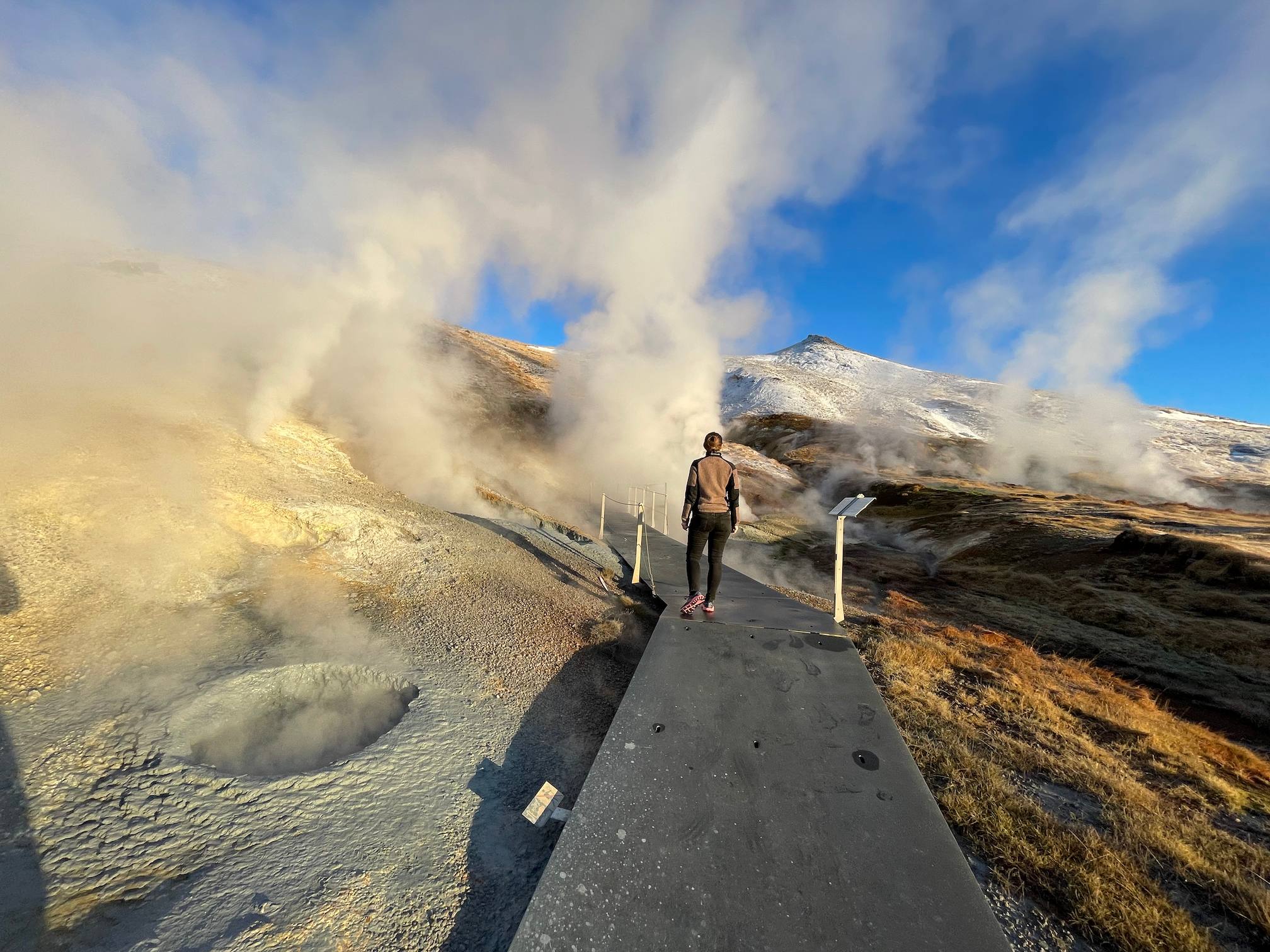
Hveradalir, located within the Hengill volcanic system in South Iceland, is part of one of the country’s most active high-temperature geothermal areas. For centuries, steam rising from the ground, bubbling mud pools and mineral-rich hot springs have shaped both the landscape and the lives of the people who lived nearby.
Long before geothermal energy became a cornerstone of Iceland’s modern infrastructure, areas like Hveradalir inspired curiosity, experimentation and early ideas about health, healing and sustainable resource use.
The First Hot Spring Steam Bath in Iceland
Vísir newspaper, 27 October 1938
“Healing power of the spring steam and of the spring mud. Could Iceland possess unused health wells? — The steam baths at the ski cabin at Hveradalir...”
In 1938, a small bathhouse was built near the geothermal springs at Hveradalir. According to contemporary reports, it may have been the first bathhouse in Iceland to use natural spring steam directly for bathing. Pipes carried steam from the sulphur-rich hot spring into the structure, where visitors could regulate the flow of steam inside the bath compartment.
The newspaper described the facility as modest but innovative: a changing room, benches for rest and massage, a cold shower as part of the bathing ritual, and a steam chamber large enough for several bathers at once. Sveinn Steindórsson from Ásum in Hveragerði is credited with constructing the bath hut and arranging the equipment.
At the time, the idea was considered forward-thinking. Reykjavík residents, skiers and travellers crossing Hellisheiði were encouraged to visit and experience what was described as a new kind of geothermal health treatment. The article even speculated whether Iceland could one day develop geothermal areas as health resorts for foreign visitors.
A High-Temperature Geothermal Area
Hveradalir lies within a high-temperature geothermal zone, where underground heat from magma chambers drives superheated water and steam toward the surface. Unlike low-temperature geothermal systems found in many parts of Iceland, high-temperature areas are characterised by intense steam activity, sulphur deposits and boiling mud pools.
These systems are powered by deep geothermal fluids that circulate through fractured volcanic rock. As groundwater descends, it is heated by underlying magma and rises again, carrying dissolved minerals and gases. When pressure drops near the surface, the water flashes into steam, creating the dramatic vapour columns that define the landscape.
Dissolved Substances and Geothermal Fluids
The geothermal fluids in Hveradalir contain dissolved minerals and volcanic gases that influence the colour and composition of the surrounding soil. Silica, sulphur and various metal compounds leave visible traces in the earth, creating yellow, orange and reddish tones across the valley.
These mineral-rich conditions have historically been associated with therapeutic bathing traditions in Iceland. While modern science approaches such claims carefully, the cultural belief in the health benefits of steam and geothermal mud has deep roots in Icelandic history.
Hveradalir in a Wider Context
The Hengill volcanic system has long been an area of geological interest. Boreholes drilled in the 20th century helped researchers understand the structure of the geothermal reservoir beneath the surface. These studies later contributed to Iceland’s development of geothermal power production, including facilities such as the nearby Hellisheiði Power Station.
Hveradalir therefore represents both heritage and science: a place where early experiments in steam bathing took place, and where modern geothermal research has deepened understanding of Iceland’s volcanic energy systems.
From Historic Bath Hut to Modern Experience
Today, Hveradalir continues to reflect this unique combination of natural forces and human initiative. The 1938 vision of geothermal wellness — once described as a bold experiment — forms part of a broader Icelandic story: how communities learned to live with, adapt to and responsibly use the heat rising beneath their feet.
The steam that fascinated visitors in the early twentieth century still rises from the same volcanic ground, connecting past and present in one of South Iceland’s most distinctive geothermal landscapes.
Map & Directions
Only 20 minutes drive from the center of Reykjavík
Hveradalir Parking